Charge what matters.
Prioritize phones, headlamps, GPS devices, radios, cameras, and compact camp lights.
A practical outdoor guide for keeping devices charged, essentials protected, routes visible, and backup plans ready. Built for weekend camps, trail days, road trips, and remote moments where reliable preparation matters.
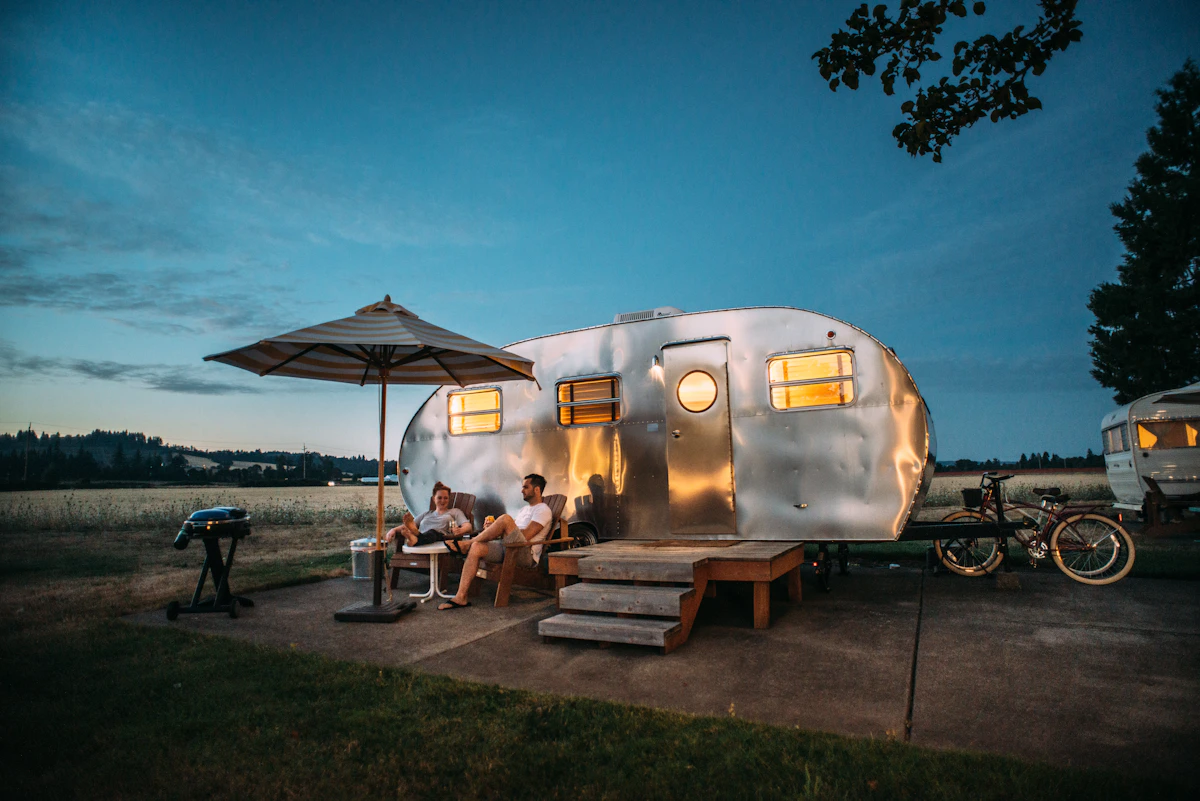
The best field setup is simple, layered, and easy to reach. Divide your kit into power, safety, storage, and repair zones so every item has a clear job before conditions change.
Prioritize phones, headlamps, GPS devices, radios, cameras, and compact camp lights.
Keep batteries, maps, first-aid items, and dry layers organized inside weather-ready storage.
Separate emergency tools from daily-use items so they remain easy to find in low light.
Portable power works best when it is planned around real usage, not hopeful capacity. Match your energy source to the length of the trip, the number of devices, and the weather you expect.
List every device you will use, then separate essentials from comfort items. Keep phones, headlamps, GPS units, and communication tools first.
Use compact power banks for day hikes, larger stations for base camp, and solar charging support for longer trips with usable daylight.
Store cables in a dry bag or gear pouch. Keep charging ports covered when dust, sand, rain, or condensation may be present.
Keep a dedicated reserve for navigation, calls, lights, and emergency communication. Avoid using the final charge reserve for entertainment.

For overnight and multi-day routes, plan both stored power and a way to recharge during daylight or vehicle stops.
Outdoor safety is not one item. It is a layered system of visibility, navigation, repair ability, weather protection, and clean organization.
Carry a primary light and a backup light. Store extra batteries or charging cables away from moisture.
Download maps in advance and keep a printed route note or compact compass as a no-battery backup.
A multi-tool, repair tape, cord, spare fasteners, and patches can solve small problems before they become trip-ending.
Use dry bags and gear storage to protect power banks, first-aid items, spare layers, maps, and food essentials.
Keep your kit compact enough to carry and complete enough to support weather shifts, delayed returns, low batteries, and small equipment failures.
Match capacity to trip length, temperature, and the number of essential devices.
Use it as support, not as your only power source, especially in cloudy or forested conditions.
Hands-free lighting is essential for camp setup, cooking, route checks, and late arrivals.
Protect batteries, cords, navigation tools, first-aid supplies, and extra layers from water exposure.
Carry tools for tightening, cutting, patching, tying, and quick field adjustments.
A whistle, visible marker, compact mirror, or safety light can help others locate you faster.

Power and safety gear should be selected for the environment where it will be used. Rain, heat, cold, dust, and long distances all change how your setup should be packed.

Place power stations and cable kits away from cooking areas, tent entrances, damp ground, and high-traffic paths.

Store lights, navigation, first-aid, and a small power reserve where they can be reached without unpacking everything.

Download maps, share your route, protect communication devices, and keep emergency power untouched until needed.
Use these quick answers to prepare your portable power, emergency storage, lighting, and trail support before your next outdoor plan.
Start with the devices that are essential for safety: phone, GPS, headlamp, radio, or emergency communication tool. For day trips, a compact power bank may be enough. For overnight or multi-day trips, consider a higher-capacity power station and a charging backup.
Solar charging is best used as a supplement. Cloud cover, tree shade, short winter daylight, and setup angle can reduce charging performance, so stored power should remain your primary reserve.
Store power banks, charging cables, maps, first-aid items, spare socks, base layers, fire-starting essentials, and small electronics inside weather-resistant storage whenever rain, splash, or condensation may occur.
Use one headlamp as your main light and one compact backup light stored separately. Keep extra batteries or charging cables in a dry pouch so they are still usable when needed.
A useful field repair kit may include a multi-tool, repair tape, cord, patches, spare buckles or clips, cable ties, and a small storage pouch. Choose items based on your shelter, pack, footwear, and cooking setup.
Nomavia provides 24/7 customer support, free shipping on all products, standard delivery within 3-5 business days, and free returns and exchanges within 30 days on eligible items.
Customers who successfully subscribe by email receive an automatic 15% sitewide discount. Selected promotional products may also receive an automatic 20% discount when the offer is active.
For questions about portable power, dry storage, safety tools, emergency gear, order status, returns, exchanges, or product selection, share your order details and our support team will help guide the next step.
Subscribe for field notes, new gear drops, and 15% off every product sitewide.
